
6 Ways AI Helps Small Businesses Grow Without Burning Out Their Team
October 16, 2026 · 5 min read
Most small teams that adopt AI end up busier than they were before. The tools save real hours, and those hours get filled within weeks by another campaign, another product line, another channel to answer, because growth was the reason the tools were bought. By month 6, the owner still answers email at 11 pm, and the 2 people who keep operations running have started updating their CVs.
The fix is a sequencing decision. Use AI to take specific, recurring work off specific people first, and spend the recovered time on growth only once you can see it on someone's calendar. Run in that order, a 6-person business can add revenue without another hire and without losing anyone to exhaustion.
6 Ways AI Helps Small Businesses Grow Without Burning Out Their Team
Each of these takes a named job off a named person, and skipping that step is how a team ends the year more tired than it started.
Add Product Lines Without Adding Production Work
Growth for a small brand usually means more products, which usually means more stock, more packing, and more weekends in the storeroom. A gym, sports club or local league can sell custom jerseys and other team gear through print-on-demand platforms like Printify, which send each order to a print provider to print, pack and ship, so the business holds no stock.
In a print-on-demand setup, the product exists as a design file and a listing until someone orders it. There is no minimum run, no box of unsold mediums in the corner, and no cash tied up in stock that might never move. The platform connects to the storefront the business already runs, such as Shopify or Etsy, and orders flow to production without anyone on the team handling them.
That changes the cost of trying something new. A gym can list 3 jersey designs for a member challenge, keep the design that sells and delete the rest without a write-off. AI handles the front end, drafting product descriptions and mockup variations, so the team's job shrinks to choosing designs and watching margin.
Start With the Work Nobody Would Miss
Before buying anything, ask everyone on the team to keep a plain list for 1 week of each task they did more than twice. Invoices chased, the same shipping question answered 9 times, stock counts re-keyed from one spreadsheet into another. Those lists will tell you more than any vendor demo.
Sort them with 2 tests: does the task follow a pattern, and would the person doing it be glad never to see it again? Tasks that pass both belong in AI-driven workflows, and they tend to pile up on 1 or 2 people who have quietly become the business's admin desk. Start with those people, because they are the closest to burning out.
Hand the Weekly Rota to Software
For shift-based businesses, the schedule is where exhaustion starts for managers and staff alike. Owners of cafes, salons and shops can retire the Sunday-night rota session with employee scheduling software such as Homebase, an app for hourly teams that uses AI to build shifts around staff availability and lets employees swap shifts from their phones.
The staff side matters as much as the manager's. In the Work Foundation's 2023 Managing Insecurity report, 51% of the 3,000 UK workers in insecure jobs it surveyed said sudden changes to their work, schedule, or weekly hours affect their mental wellbeing.
A rota published early, with swaps handled between employees, removes most of those late surprises. The manager gets the evening back, and the person on the till stops finding out about Saturday on Friday night.
Let AI Draft Customer Replies While a Person Presses Send
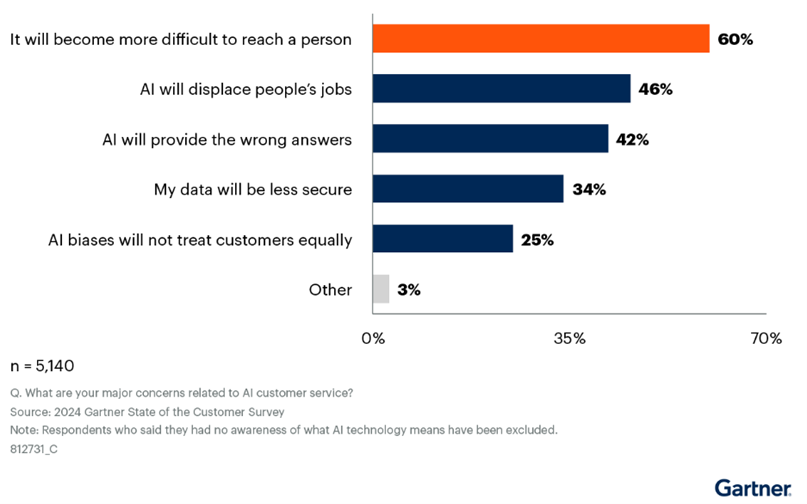
In a Gartner survey of 5,728 customers published in 2024, 64% said they would prefer companies didn't use AI in customer service. The sensible response for a small business is to keep AI behind the reply rather than in front of it.
Most of the relief in small-business support comes from the dull majority of tickets: where is my order, can I swap the size, do you ship to Canada. Let the tool read the message, pull the order status, and write the draft.
Someone who knows the customer then reads it and sends it under their own name. Approving a reply in 40 seconds instead of writing it from scratch is where the hours come back, and the customer still hears from a person.
Write the Rules Before You Hand Over the Task
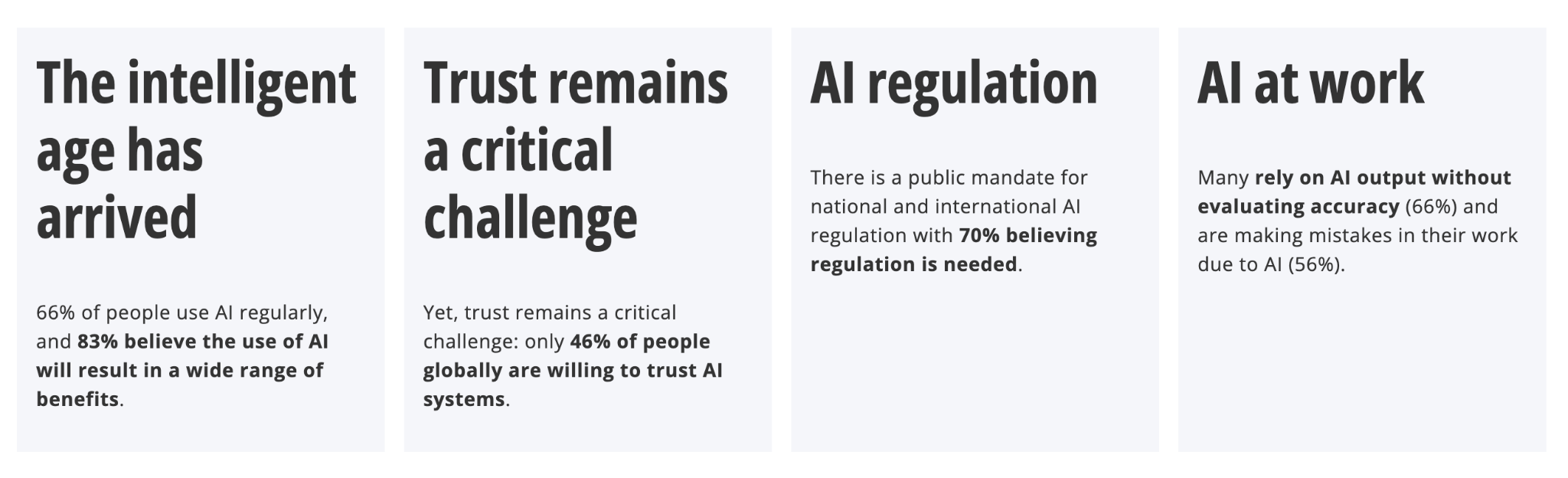
KPMG and the University of Melbourne's 2025 global study on trust in AI, which surveyed more than 48,000 people in 47 countries, found that 66% rely on AI output without evaluating its accuracy. In a small business, unchecked output lands on whoever deals with the angry customer or the wrong invoice, and a time saver turns into a new source of stress.
Write 3 rules for every task before switching the tool on: what it may do alone, what it must pass to a person, and what it never touches. Refunds, price changes, and anything involving a customer's payment details belong in the last group. Once the rules are written, run a short employee training session so everyone on the team knows what the tool may do alone, when a person has to step in, and who to ask when it gets something wrong.
If the tool browses websites or reads the inbox, add basic security guardrails as well. An agent that opens links can be tricked by a convincing fake page the same way a new hire can.
Bank the Hours Instead of Filling Them
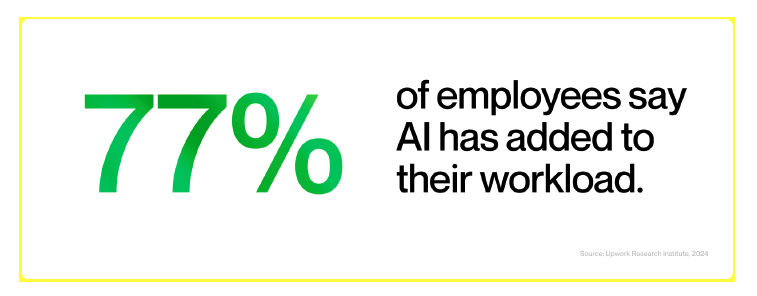
In the Upwork Research Institute's 2024 study on AI and workloads, 77% of employees using AI said the tools had added to their workload. Some of that comes from checking what the AI produced. The rest comes from targets that creep up the moment a task gets faster, and small businesses raise them without ever announcing it.
Decide in advance where recovered time goes, and write it down. For a team under 10 people, a workable split is 50% back to the person as slack and 50% to 1 growth project with a named owner. If the hours don't show up somewhere you can point to, the business has simply bought more output, and the team will feel it before the bank balance does.
What to Fix First
Pick the person on your team who would be hardest to replace and look at their last 2 weeks. Whatever they did more than twice that a pattern could handle is your first AI project. This quarter's growth plans can wait until that work has left their desk, because businesses that reverse the order get a short burst of output followed by a resignation letter.
Treat every hour AI saves as belonging to the person it came from until you decide otherwise.
If you would rather not run that audit alone, AI Agent Store's AI Opportunity Roadmap turns a short business intake into a tailored automation plan with quick wins you can ship in 1 to 2 weeks, a phased rollout, and ROI estimates, emailed in about an hour. Complete the intake this week and put 1 quick win live before the month ends.