
The Future of AI Driven Healthcare: From Virtual Assistants to Intelligent Workflows
August 26, 2026 · 4 min read
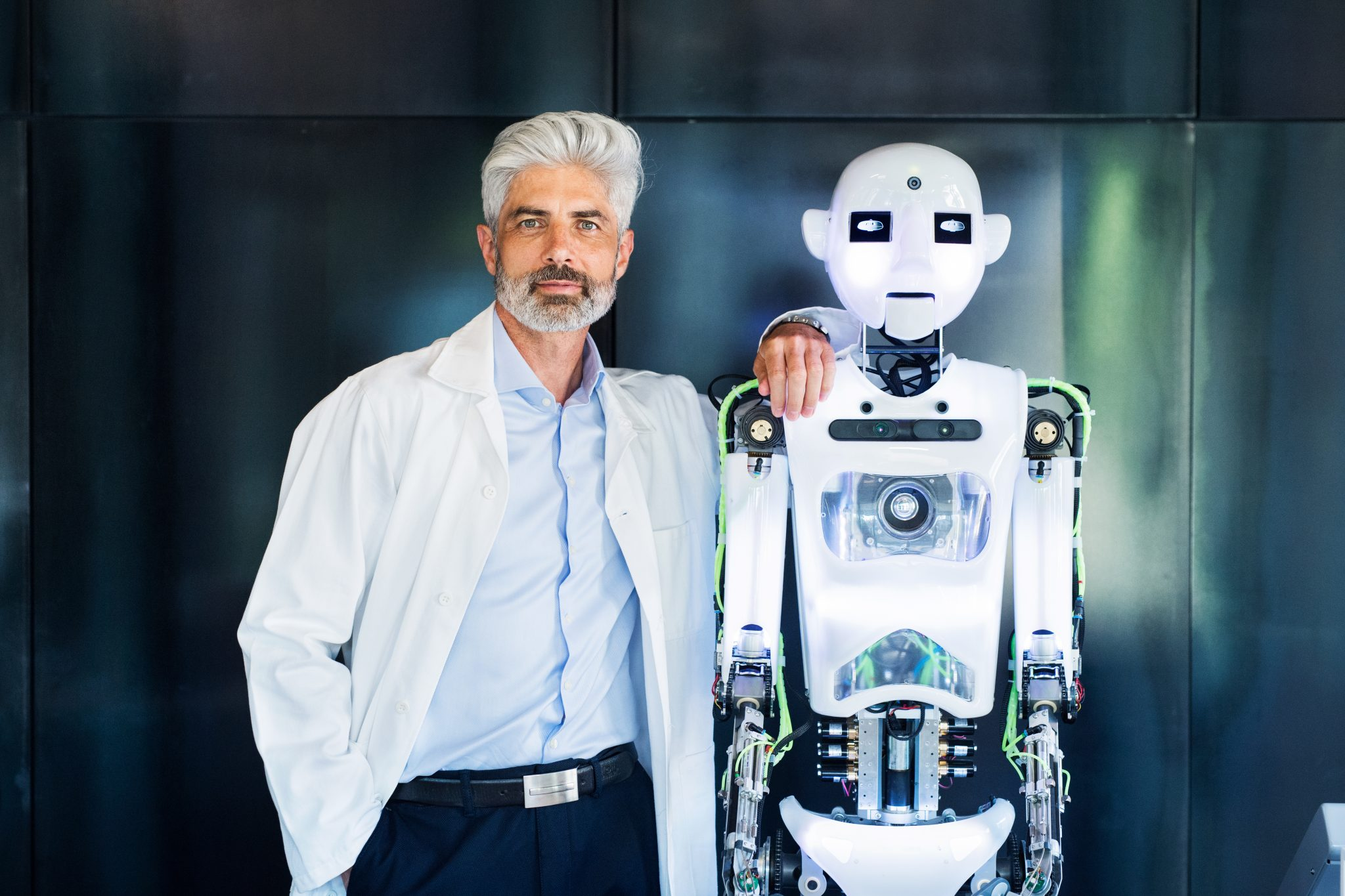
Since artificial intelligence became part of modern medicine, people have been expressing doubts about it. What is it meant to do, exactly? Is AI in healthcare a good thing or a dangerous trend that will reduce the quality of medical services to a ChatGPT-level standard?
So far, it’s obvious that its benefits far exceed the drawbacks. AI helps patients gain insights into their health much faster; see its current prominent uses, like virtual assistants and intelligent workflows, and find out what else the future holds.
Virtual Assistants as the First-Line Communication with Patients
AI-driven healthcare technology plays a huge role in how patients interact with facilities. Handling tens of thousands of requests has always been a challenge; now, more and more organizations employ the services of a healthcare app development company to build the means of instant communication and first-line support. By relying on a dedicated medical app, a patient can view test results, get basic explanations, and schedule their next visit without calling a busy human operator.
To facilitate this process of communication even more, a lot of companies invest in virtual assistants. Basic chatbots annoy users, so modern AI assistants are powered by natural language processing and contextual reasoning. This is the latest list of their capabilities:
- Smart symptom checkers. AI-powered assistants can help patients check their symptoms and narrow down their potential problems. This way, patients can figure out if they need urgent care, a simple home remedy, or a visit to a clinic.
- Medication reminders. Virtual assistants can send personalized reminders about medication to patients. Also, instead of a person calling their doctor with more questions and clarifications, they can instantly get dosage instructions.
- Mental health companions. It takes ages to get in touch with a human mental health specialist. The better they are, the more patients they have. If the situation feels urgent, AI helpers can respond in an instant and provide all the support.
- Emergency response guidance. During emergencies, virtual assistants can provide instructions to patients, telling them what to do and how to help themselves or someone else before the team of medics arrives.
Needless to say, these AI assistants have multilingual support, so a patient in Europe can easily speak to an American doctor. Of course, they cannot replace real experts, but they are excellent at being the first-line source of support.
Intelligent Workflows: What Takes Place in the Background
Research doesn’t lie: last year, almost half of all medical providers used AI for diagnostics. AI also proved itself in medical imaging, so the rate of its usage has been consistently high in this area.
A single pause or accident in healthcare can create a threat to a patient’s life. Intelligent workflows help reduce these issues to a significant extent. Check out the challenges they address:
- Administrative tasks. With intelligent workflows, hospitals can automate their mundane tasks like scheduling alerts, billing, patient record updates, etc.
- Staff allocation. AI is best at optimizing staff allocation to make sure that the right specialists are available right when they are needed. It helps avoid schedule mix-ups.
- Supply chain management. Many medical experts use AI workflows to identify which medical supplies are running low and need to be ordered.
- Clinical decision support. Doctors can get real-time insights into their patients’ health without manually checking their lab results and histories.
AI can spot when a person might need potential readmission after surgery or a round of treatment; it alerts the hospital, and doctors in charge can make preparations in advance just in case.
AI-Driven Healthcare Trends to Anticipate
The future of healthcare will consist of even more AI-driven trends. Based on current research and patient needs, as well as discussions in medical communities, here’s what else we might expect to see.
Personalized Medicine
Sometimes doctors have to spend a lot of time creating the most suitable treatment plan for their patients. AI has the power to help with it.
In the future, it will consider such factors as genetics, lifestyle factors of specific patients, and their medical histories before making suggestions to experts. This can be done in seconds, so healthcare providers will be able to make the best recommendations right when the patient requires it.
Remote Monitoring
Wearables and IoT devices already feed patient data to healthcare systems to enable real-time monitoring. Right now, only some groups of people can use this service, but in the future, it will become way more accessible.
Smart devices will track everything, including oxygen levels, glucose, and other factors in real time. Even patients in rural areas will be able to use them; if something is wrong, AI will flag the signs, and medical experts will notice it, no matter where they are located. This can save a lot of people and stop their health conditions from turning into life-threatening emergencies.
AI-Powered Surgeries
Robotic systems already guide surgeons during procedures. Many of them are still rusty, though, so it’s evident that they’ll keep progressing in the coming years. Here are the areas for potential improvement:
- Enhanced precision. AI-guided robots will be able to perform delicate surgeries with a level of accuracy humans cannot match.
- Decision support. AI systems will analyze patient data right during surgery, paying attention to the smallest nuances and suggesting optimal approaches.
- Training simulations. Surgeons can prepare for complex procedures using quality simulations. Students can do the same, relying on AI for realistic recreation.
With AI, a lot of surgeries might become minimally invasive, which will help patients recover much faster.
Combining AI with Human Insights
It’s clear that artificial intelligence in healthcare will keep gaining new angles every year. Some people are anxious about it pushing human experts out of their jobs and dropping service quality to a worrisome minimum, but the facts suggest otherwise.
AI is a helpful tool, and the more it evolves, the more helpful it’ll become. It will make the work of medical experts simpler, quicker, and more productive, but it will never replace them entirely. Collaboration between humans and AI will strengthen the entire healthcare sector globally, and both patients and medical providers will benefit from it.