
Let an AI Agent Compare Plant Hire Quotes in Brisbane
November 7, 2026 · 4 min read
A site manager in Brisbane needs a telehandler for four weeks. Three suppliers reply: one with a PDF, one with an email and one with a photo of a printed rate card. By the time someone has compared them, the job has moved on. Quote comparison is exactly the kind of messy, repeatable work where an AI agent can earn its keep.
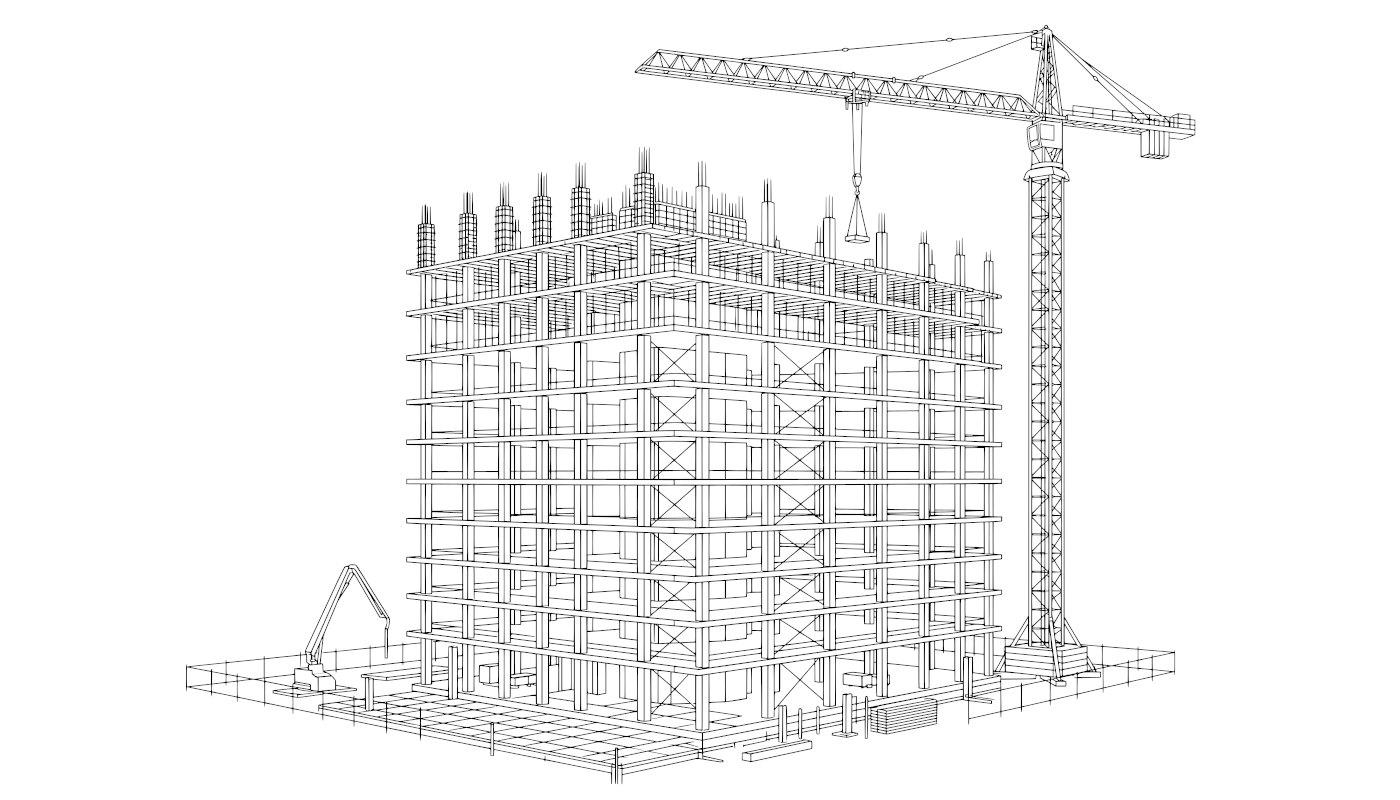
https://unsplash.com/illustrations/construction-site-with-building-frame-nBid0pnA7Wo
Agents do not need to replace the person who knows the site. They can read the documents, pull out the numbers and show the true cost of each option in minutes. Here is how to set one up, step by step.
Why This Job Is Getting More Pressing
South East Queensland is entering a very busy period. Construction Skills Queensland puts the Games venue and village pipeline at about $11.2 billion across 19 projects through 2031-32, with Brisbane holding about 68% of that value.
Costs are moving as well. A recent major projects report put the total estimated project cost in the state's capital statement at $153 billion, up from $107 billion a year earlier, partly because of escalation. When plant is in demand, a careful comparison matters more, and small mistakes get expensive.
Step 1: Define the Telehandler Hire Job Properly
Most bad comparisons start with a bad brief. Before an agent reads a single quote, write down exactly what you need: lift capacity, lift height, reach, attachments, site access, start date and duration.
Take a search for telehandler hire Brisbane contractors as an example. A supplier may offer anything from a compact 2,500 kg machine with a 6 m reach to a 14 m or 18 m unit, with hire running from a single day to several years. Two prices are meaningless if they describe different machines.
Save this brief as a simple structured file. It becomes the yardstick that the agent checks every quote against, and it stops the tool from quietly comparing apples with oranges.
Step 2: Teach the Agent What to Extract
Give the agent a fixed template, not an open question. Ask it to return the same fields from every document, and to write "not stated" when something is missing. That instruction matters, because a model left to its own devices may fill gaps with a guess.
A good extraction template covers the following:
- Machine details. Make, model, capacity, height and attachments.
- Hire rate. Daily, weekly or monthly, and any minimum hire period.
- Transport. Delivery and collection, including after-hours charges.
- Protection. Damage waiver or insurance, plus the excess.
- Running costs. Fuel, servicing, overtime hours and cleaning.
- Operator. Whether one is included, and at what rate.
- Validity. How long the quote stays open, and whether GST is included.
Step 3: Compare Total Cost, Not Headline Rates
This is where the agent pays for itself. Have it calculate the full cost of the job for each quote, using the same four-week period. Here is a made-up example:
- Supplier A: $1,600 a week, $600 delivery and an 8% waiver. Total: $7,512.
- Supplier B: $1,450 a week, $900 delivery and a 12% waiver. Total: $7,396.
- Supplier C: $1,500 a week, free delivery, but a six-week minimum. Total: $9,000.
Supplier C looks attractive with free delivery, yet the minimum hire makes it the most expensive. Supplier B wins by just $116, so the decision may come down to availability and service. An agent can surface all of this instantly, but it should show its working so someone can check the math.
Step 4: Add a Safety Check
Price is only one filter. Ask the agent to compare each machine against your site requirements. A telehandler's lifting capacity falls as the boom extends, so the operator relies on the load chart, not just a headline tonnage. If the quote includes a chart, have the agent flag any lift that sits near the limit, then pass that to a competent person.
Licensing belongs on the list as well. In Queensland, high risk work classes are licensed through Workplace Health and Safety Queensland, so confirm what your machine and task require. If nobody on site holds the right ticket, that may be a reason to choose hire with an operator.
Step 5: Keep the Human Decision
An agent should recommend, not book. A site manager knows things no PDF will say: which supplier answers the phone at 6am, whose machines arrive clean and who will swap a broken unit by lunchtime.
Have the agent produce a one-page summary with its ranking, any missing details and the questions to ask each supplier. Then a person makes the call. That approach keeps approval authority where it belongs, which matters on contracts and on safety decisions alike.
What Can Go Wrong
Agents are strong readers, but they can still misread a blurry scan or treat a monthly rate as a weekly one. Ask for a confidence note beside each field, and make the agent quote the exact line it took each number from. If a figure cannot be traced back to the source, it should not reach the final table.
Watch out for prompt injection too. A quote is outside content, so the agent should treat everything in it as data to read, never as instructions to follow.
Keep your supplier data private. Rate cards and negotiated discounts are commercially sensitive, so check how your tool stores documents and whether they are used for training. Finally, review the output each quarter. Suppliers change their formats and terms, and a template that worked in March may miss a new charge by September.
Build It Small First
You can start without a complex setup. Many teams begin with a shared inbox folder, an extraction prompt and a spreadsheet. Test it on three past jobs where you already know the right answer, and check every number. Once it proves accurate, connect it to your email and add a weekly report.
The goal is simple: fewer hours spent copying figures, and better decisions on the next lift. On a busy Brisbane site, that is a very good trade.